New Inflation Data: Prices Rise 3.8% as Spending Slows
New federal data shows prices still climbing while inflation-adjusted spending barely moved. Here is what the October numbers mean.
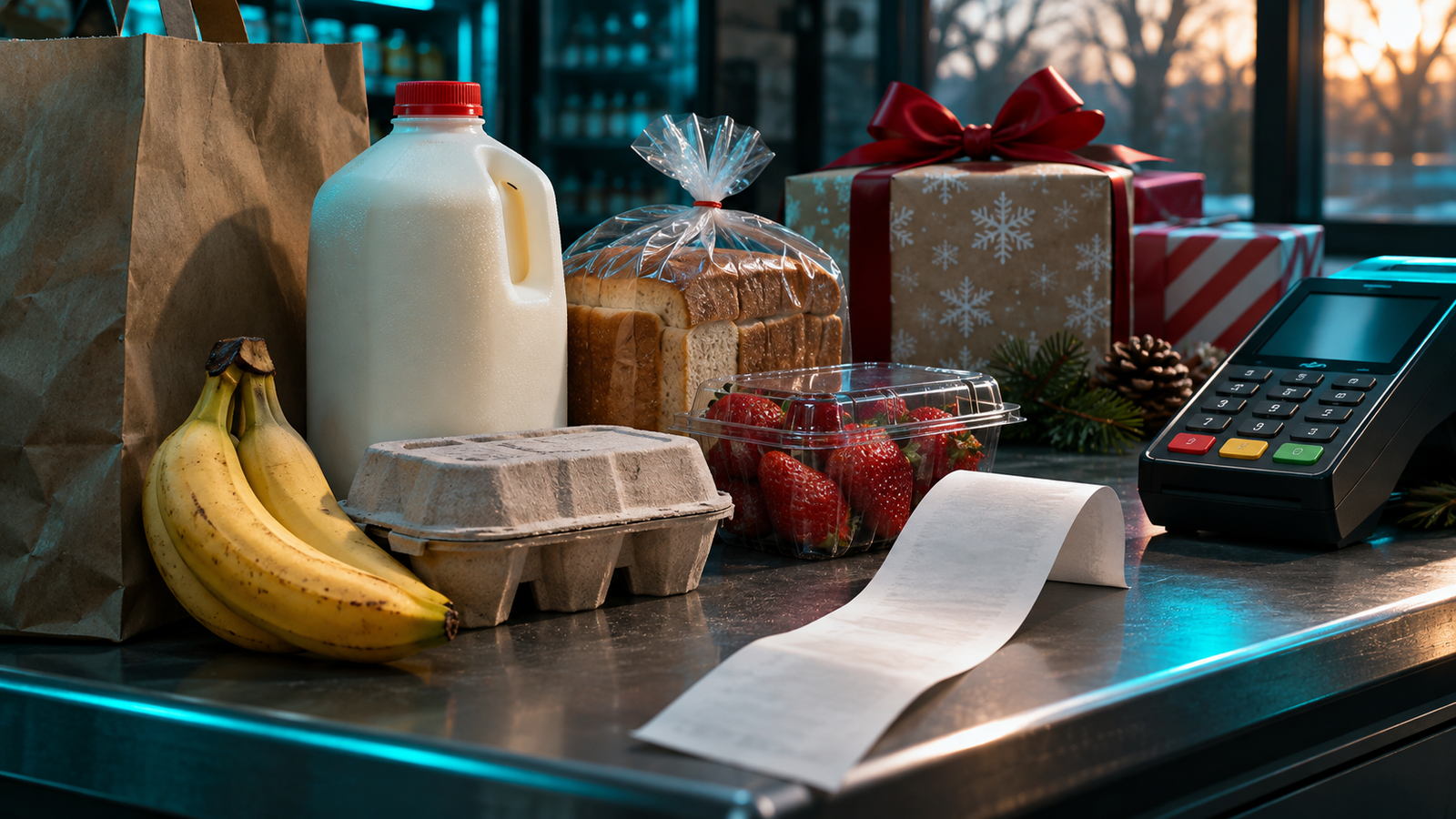
AI-generated editorial illustration by HIDEF NATION; not a documentary photograph.
Holiday shopping season is here, and the latest federal numbers show why a fuller cart can still feel harder to afford. In data released November 25, the U.S. Bureau of Economic Analysis said its personal consumption expenditures (PCE) price index rose 3.8% over the 12 months through October 2026. Prices rose 0.3% from September to October.
More dollars, not much more stuff
Americans spent 0.3% more in current dollars in October, according to the BEA. But after adjusting for price changes, real consumer spending edged down by less than 0.1%. Personal income rose 0.7%, and disposable personal income rose 0.8%.
That contrast is the point: a higher spending total does not automatically mean households bought more. The PCE index excluding food and energy—often called “core” PCE—was up 3.3% from a year earlier. These are national averages, so an individual household’s experience can look very different depending on rent, groceries, transportation, and what it actually buys.
What to watch in your own budget
For shoppers, the useful move is to compare the total cost of a purchase, not only the sale tag: shipping, recurring fees, financing charges, and return costs can change the real price. If a monthly payment is involved, check the full amount due before committing. The data does not predict what any one store will charge next week, but it does show that prices remain an important part of the spending story.
HIDEF NATION’s take: the headline number matters less than the gap between dollars spent and what those dollars actually bring home. That is the gap worth watching this season.
Source: U.S. Bureau of Economic Analysis, Personal Income and Outlays, October 2026 (released November 25, 2026).