Hell on Earth Turns 30 as Prodigy’s Estate Takes Havoc to Court
Mobb Deep's classic hit 30 the same week Havoc publicly responded to a lawsuit from Prodigy's estate over tour money, merch and masters. What it means for hip-hop legacies.
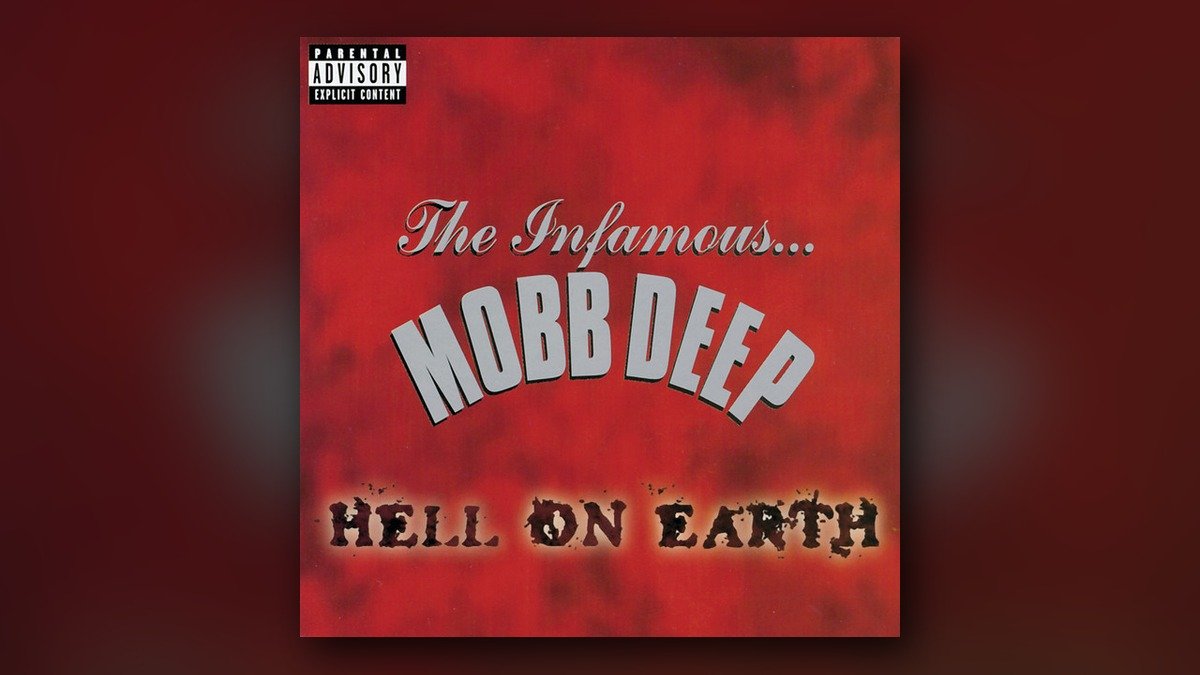
Image: Mobb Deep / Loud Records (album artwork)
On November 19, fans across X marked 30 years of Mobb Deep’s Hell on Earth, sharing favorite cuts and arguing over the best verses. One day later, the group’s legacy was back in the headlines for a very different reason: Havoc publicly responded to a lawsuit from the estate of his late partner, Prodigy.
Celebration and conflict in the same week. That is the reality of legacy acts in 2026, where the catalog keeps earning long after the people who built it are gone.
The album that still sounds like a threat
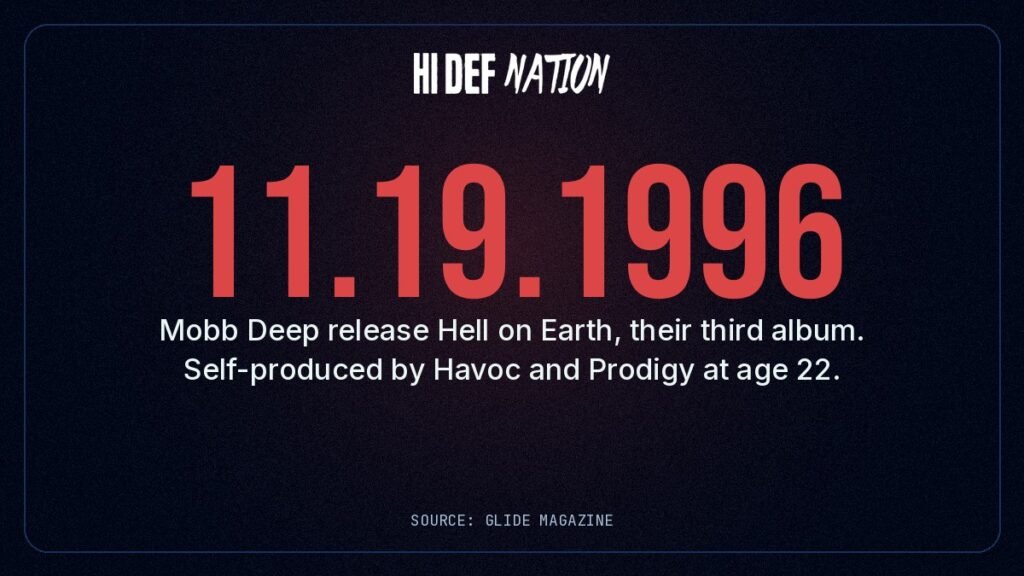
Glide Magazine‘s anniversary piece is a good reminder of why Hell on Earth still matters. Released November 19, 1996, it was the duo’s third album, and they produced the whole thing themselves when both Havoc and Prodigy were just 22. It carried “Drop a Gem on ‘Em,” their answer to Tupac and the West Coast disses of that era, and it peaked at No. 6 on the Billboard 200 and No. 1 on the hip-hop and R&B chart.
Thirty years later, the sound of those strings and pianos still shows up in today’s grimiest New York and underground rap. You can hear Mobb Deep in a lot of records that never mention them.
What the estate is claiming
According to Complex, the suit was filed on October 30 by the executrix of Prodigy’s estate. It says the estate still owns half of Mobb Deep, LLC, the company the two formed in 2000 to hold the group’s trademarks and copyrights.
The complaint, as Complex describes it, claims Havoc has played at least 172 shows billed as Mobb Deep since Prodigy died on June 20, 2017, and made more than $1 million in merch sales in that time without sharing profits with the estate. It also accuses him of moving money into his own companies and of holding and using Prodigy’s master recordings without consent. The suit lists six counts, including breach of fiduciary duty and conversion, and asks for damages, a full accounting, the masters, and punitive damages.
These are allegations. None of them have been proven in court, and Complex reported that as of the docket’s November 19 update, neither Havoc nor his companies had formally answered.
Havoc’s response
On November 20, Havoc addressed it on Instagram. Per Complex, he wrote that he still keeps the family in his heart and prays they “settle things amicably,” while suggesting the truth would now come out. The estate’s attorney then sent Complex a statement of its own.
The backstory makes this sting more. In 2025 Havoc released Infinite through Mass Appeal, produced with The Alchemist and built partly from Prodigy’s unreleased vocals. Complex notes Havoc said the estate approved that album, and that album only.
Our take
This is bigger than one group. Duos and crews from the 90s built empires on handshake energy, and a lot of them never put the paperwork in order before tragedy hit. Now touring, merch and catalog value are worth real money, and estates are asking who gets paid when the name still sells out rooms.
For younger artists, the message is loud. Put the business in writing while everybody is still in the room. Own your masters, define your split, and set up the company like you plan to outlive the moment. Hell on Earth is a classic forever. The fight over who controls it should not have to be.
Sources: Complex, Glide Magazine, X trending story.